



Is Night Driving Getting Harder? Here’s Why
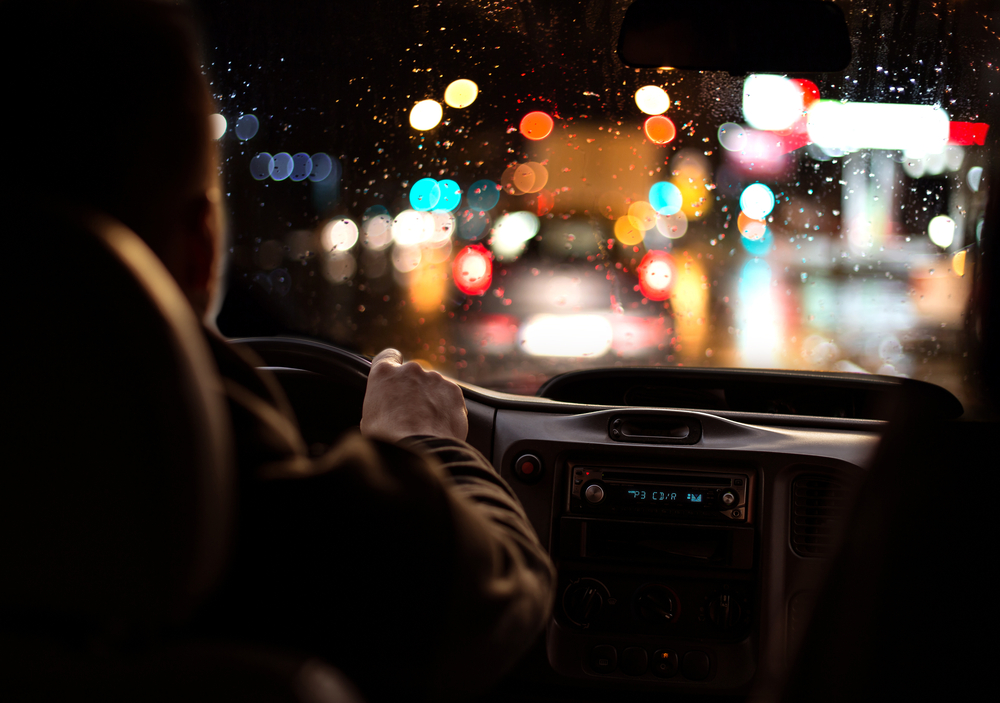
If driving at night has become more challenging than it used to be, you’re not alone. Difficulty seeing road signs, increased glare from headlights, or feeling like everything looks a little less sharp at night can happen for several reasons, and it isn’t always simply a matter of needing a stronger prescription.
Why Is Night Driving More Difficult?
Glare and Halos
Modern headlights can be especially bright, and glare or halos around lights can make it harder to see clearly. These symptoms can become more noticeable with certain prescriptions, dry eyes, astigmatism, or changes in the eye’s natural lens.
Dry Eyes
A healthy tear film helps create a smooth optical surface for clear vision. When the eyes become dry or irritated, vision can fluctuate and lights can appear more scattered or hazy. Long periods of screen use, low humidity, and reduced blinking can all contribute to dry eye symptoms.
Changes in Your Prescription
Even a relatively small change in your prescription can make a difference when driving at night. Reduced contrast and dim lighting can make it harder for your eyes to compensate for an outdated prescription.
Astigmatism
This can cause lights to appear stretched, smeared, or starburst-like, particularly in low-light conditions. Some people notice these symptoms much more at night than during the day.
Changes Inside the Eye
As we age, the natural lens inside the eye can gradually become less clear. Early cataract changes, for example, may cause increased glare, halos, and difficulty seeing in low-light situations before vision becomes noticeably blurry during the day.
Scratched or Damaged Lenses
Even small scratches on your eyeglass lenses can become much more noticeable at night. Headlights and streetlights can reflect off these imperfections, creating additional glare and making vision feel hazy or less comfortable. If your lenses are heavily scratched, replacing them may improve your visual experience more than simply changing your prescription.
Not All Anti-Reflective Coatings Are the Same
A quality anti-reflective (AR) coating can significantly reduce reflections from your lenses, allowing more light to reach your eyes and minimizing distracting reflections from headlights and other light sources.
However, not all AR coatings perform the same way. Different lens manufacturers offer different levels of AR technology, and higher-quality coatings can provide better reflection reduction, durability, and resistance to smudges and scratches. If nighttime glare is a concern, the lens material and AR coating are worth discussing, not just the prescription.
What Can You Do?
If night driving is becoming uncomfortable or stressful, don't simply assume it's something you have to live with. A comprehensive eye exam can help determine whether your symptoms are related to your prescription, dry eye, astigmatism, your eyeglass lenses, changes in the natural lens, or another eye-health concern.
The right combination of an accurate prescription, quality lenses, and an effective anti-reflective coating can make a meaningful difference in visual comfort, especially when driving at night.
Your eyes should help you feel confident behind the wheel, day or night. If your nighttime vision has changed, it may be time to have your eyes checked.
Did You Know?
Your ability to see clearly at night depends on more than visual sharpness. Contrast sensitivity, glare, pupil size, the tear film, your eyeglass lenses, and the health of your eyes all play a role in how well you see in low-light conditions.

Contact Info
Hours of Operation
- Monday 9:00am - 6:00pm
- Tuesday 9:00am - 6:00pm
- Wednesday Closed
- Thursday 9:00am - 6:00pm
- Friday 9:00am - 5:00pm
- *Saturday 9:00am - 3:00pm
- Sunday Closed
- *Open 2 Saturdays per month, call for availability
© 2026 Paramount Eye Care and Eyewear. All rights Reserved. Accessibility Statement - Privacy Policy - Terms and Conditions - Sitemap
Powered by: