



Glaucoma Can Develop Without Symptoms: Why Early Detection Matters in Lucas, TX
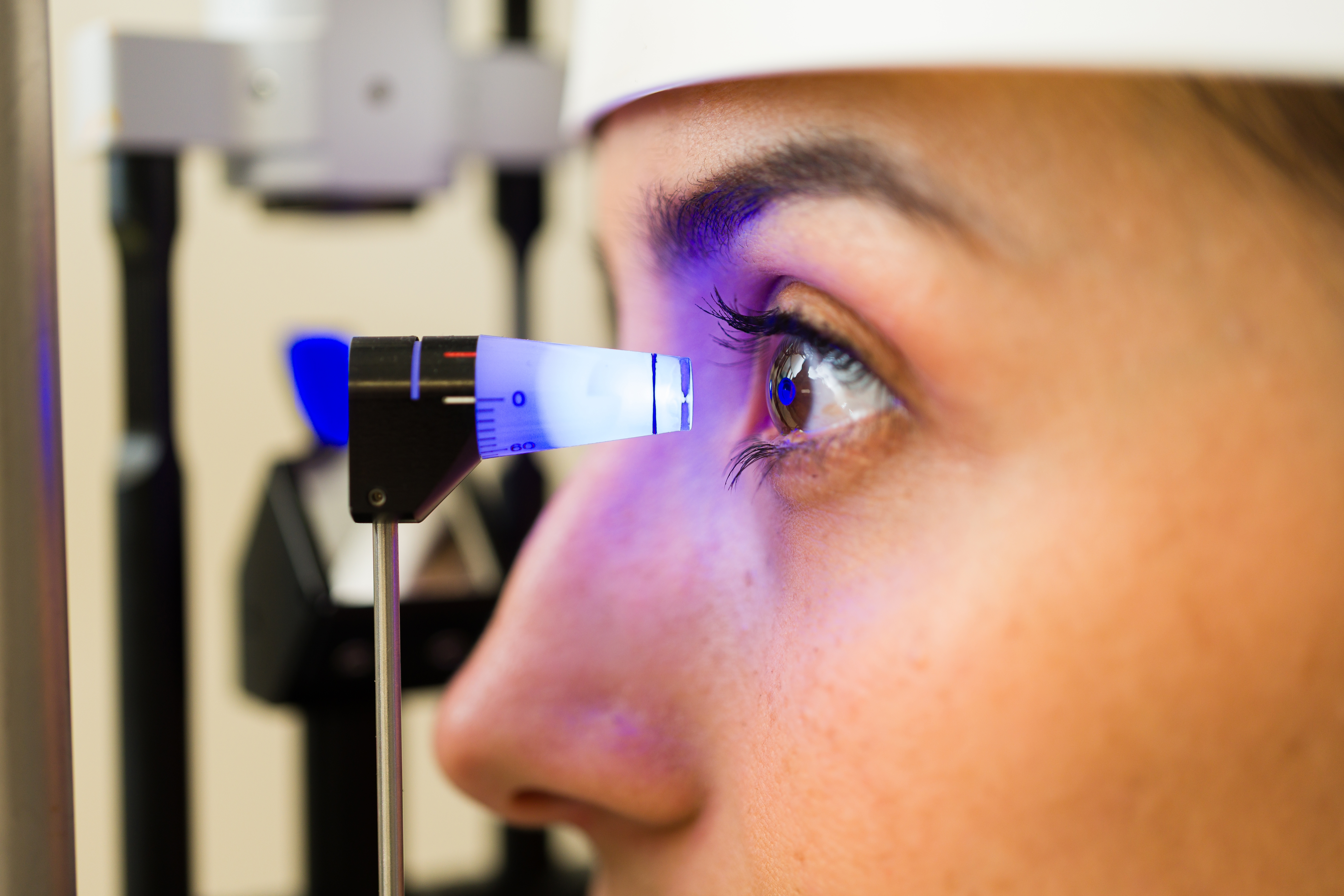
Glaucoma can damage your eyesight long before you notice a problem. This group of eye diseases affects the optic nerve, which carries visual information from the eye to the brain. Because early glaucoma often causes no pain or obvious vision changes, people may feel their eyes are healthy even as damage develops. At Paramount Eye Care and Eyewear in Lucas, TX, we emphasize routine eye exams to help identify concerns before significant vision loss occurs.
Why Glaucoma Often Goes Unnoticed
Open-angle glaucoma, the most common form, typically progresses slowly. Changes often begin in peripheral, or side, vision while straight-ahead vision remains clear. You may continue reading, driving, and completing daily tasks without realizing your field of vision is narrowing.
Glaucoma is frequently associated with elevated eye pressure, but pressure alone does not determine whether you have the disease. Some people develop glaucoma despite having pressure readings within the normal range. Others have elevated pressure without optic nerve damage. That is why a comprehensive evaluation looks beyond a single measurement.
Who Has a Higher Risk of Glaucoma?
Anyone can develop glaucoma, but certain factors make regular monitoring especially important. We encourage patients in Lucas to discuss their medical and family history with our eye care team, particularly if they have:
- A parent, sibling, or other close relative with glaucoma
- Increasing age, particularly after age 60
- Elevated eye pressure or thin corneas
- A history of eye injury or prolonged corticosteroid use
Some populations also face higher glaucoma risk at younger ages. Your individual risk factors help us recommend an appropriate eye exam schedule rather than relying on symptoms to guide care.
How Comprehensive Eye Exams Support Early Detection
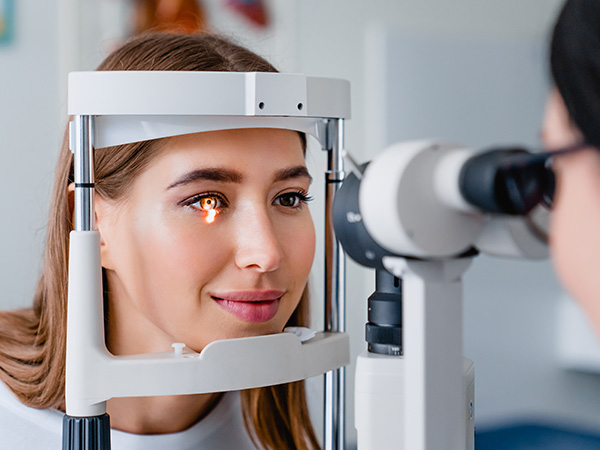
Detecting glaucoma requires assessing the health of the optic nerve and looking for changes over time. During an exam, we review your history, evaluate your eyes, and measure eye pressure. Depending on the findings, additional testing may be needed.
A dilated optic nerve examination helps identify suspicious changes. Optical coherence tomography (OCT) can provide detailed measurements of the nerve fiber layer, while visual field testing checks for areas of reduced side vision. Corneal thickness measurements may help interpret pressure readings. These tests offer different information, and not every patient needs every test at each visit.
Regular follow-ups are valuable because comparing results over time may reveal subtle changes that are difficult to detect during a single appointment.
Why Early Detection Matters for Long-Term Vision
Vision already lost to glaucoma generally cannot be restored. However, early diagnosis and treatment can often slow or prevent additional damage. Treatment may include prescription eye drops, laser procedures, or surgery, depending on the type and severity of the disease.
Our role in glaucoma care includes identifying concerning findings, monitoring eye health, and coordinating appropriate treatment or specialist care when necessary. If you have been diagnosed with glaucoma, keeping follow-up appointments and using prescribed medication consistently are important even when your vision seems unchanged.
To schedule a comprehensive eye exam or discuss glaucoma detection, contact Paramount Eye Care and Eyewear in Lucas, TX, at (469) 949-2020.


Contact Info
Hours of Operation
- Monday 9:00am - 6:00pm
- Tuesday 9:00am - 6:00pm
- Wednesday Closed
- Thursday 9:00am - 6:00pm
- Friday 9:00am - 5:00pm
- *Saturday 9:00am - 3:00pm
- Sunday Closed
- *Open 2 Saturdays per month, call for availability
© 2026 Paramount Eye Care and Eyewear. All rights Reserved. Accessibility Statement - Privacy Policy - Terms and Conditions - Sitemap
Powered by: