



Beyond Eye Drops: How Modern Treatments Bring Lasting Dry Eye Relief

If your eyes feel dry, irritated, or tired by the end of the day, you’re not alone. Dry eye symptoms are increasingly common, especially with today’s screen-heavy lifestyles, medications, and natural aging changes. While many people dismiss dry eyes as a minor inconvenience, dry eye disease is a chronic, progressive condition that can affect both daily comfort and long-term eye health.
Dry Eye Is More Than a Lack of Tears
A common misconception is that dry eye simply means your eyes don’t produce enough tears. Ironically, dry eyes can cause excessive tearing as the eyes try to compensate for irritation. Many patients produce enough tears, but they evaporate too quickly. This is often caused by Meibomian Gland Dysfunction (MGD), a condition in which the oil-producing glands in the eyelids become blocked, inflamed, or have begun to atrophy. These oils are essential for keeping tears on the surface of the eye. When the tear film is unstable, you may experience any number of symptoms:
Gritty or burning
Redness
Discomfort or irritation
Light sensitivity
Tired or strained vision
Why Dry Eye Deserves Attention
When left untreated, dry eye disease worsens over time. Chronic inflammation can damage the surface of the eye, reduce vision quality, and make everyday activities like reading, driving, or wearing contact lenses uncomfortable. Addressing dry eye early is a proactive step, treating the condition before symptoms become severe helps preserve comfort, clarity, and overall eye health.
Modern Treatments Go Beyond Eye Drops
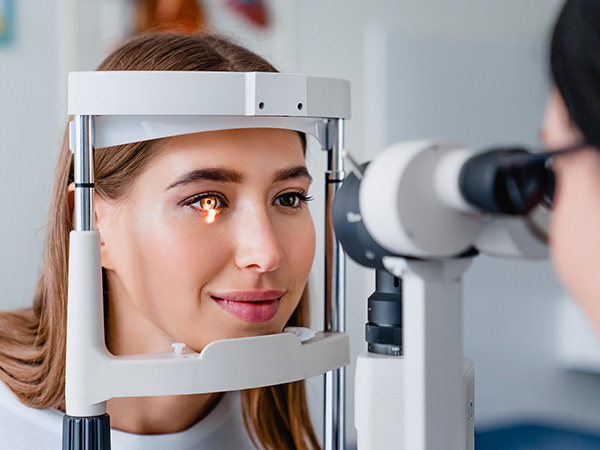
While artificial tears can provide temporary relief, they often don’t address the underlying root cause of dry eye disease. Fortunately, advances in eye care have led to modern, in-office treatments designed to treat dry eye at its source.
Technologies such as RadioFrequency (RF) and Intense Pulsed Light (IPL) therapy target blocked oil glands and inflammation around the eyes. These treatments are comfortable, non-invasive procedures. They aim to restore healthy gland function, improve tear quality, and provide longer-lasting relief compared to drops alone. Most patients notice a big improvement in comfort, reduced redness, and more stable vision.
The Bottom Line
Dry eyes aren’t something you have to “just live with.” Today’s advanced treatments allow eye doctors to move beyond symptom management and focus on long-term solutions. With early diagnosis and personalized care, dry eye disease can be effectively managed, helping patients enjoy clearer, more comfortable vision.
Do your eyes frequently feel irritated, tired, or dry?
It may be time to schedule an evaluation to get a customized treatment plan that provides lasting relief.
Fun Facts About Dry Eyes
The average person blinks about 15 times per minute, but when staring at screens, blink rates can drop to 4 times per minute, contributing to dry eyes.
Tears are made of three layers: oil, water, and mucus. Problems with any layer, especially the oil layer (MGD), can cause dry eye symptoms.
85% of dry eye issues are caused by MGD
Call Paramount Eye Care & Eyewear today. We have the experience and technology to help you say “good-bye” to dry eye.

Contact Info
Hours of Operation
- Monday 9:00am - 6:00pm
- Tuesday 9:00am - 6:00pm
- Wednesday Closed
- Thursday 9:00am - 6:00pm
- Friday 9:00am - 5:00pm
- *Saturday 9:00am - 3:00pm
- Sunday Closed
- *Open 2 Saturdays per month, call for availability
© 2026 Paramount Eye Care and Eyewear. All rights Reserved. Accessibility Statement - Privacy Policy - Terms and Conditions - Sitemap
Powered by: