

Back to School and Blurry Vision: Could Your Child’s Myopia Be Getting Worse?
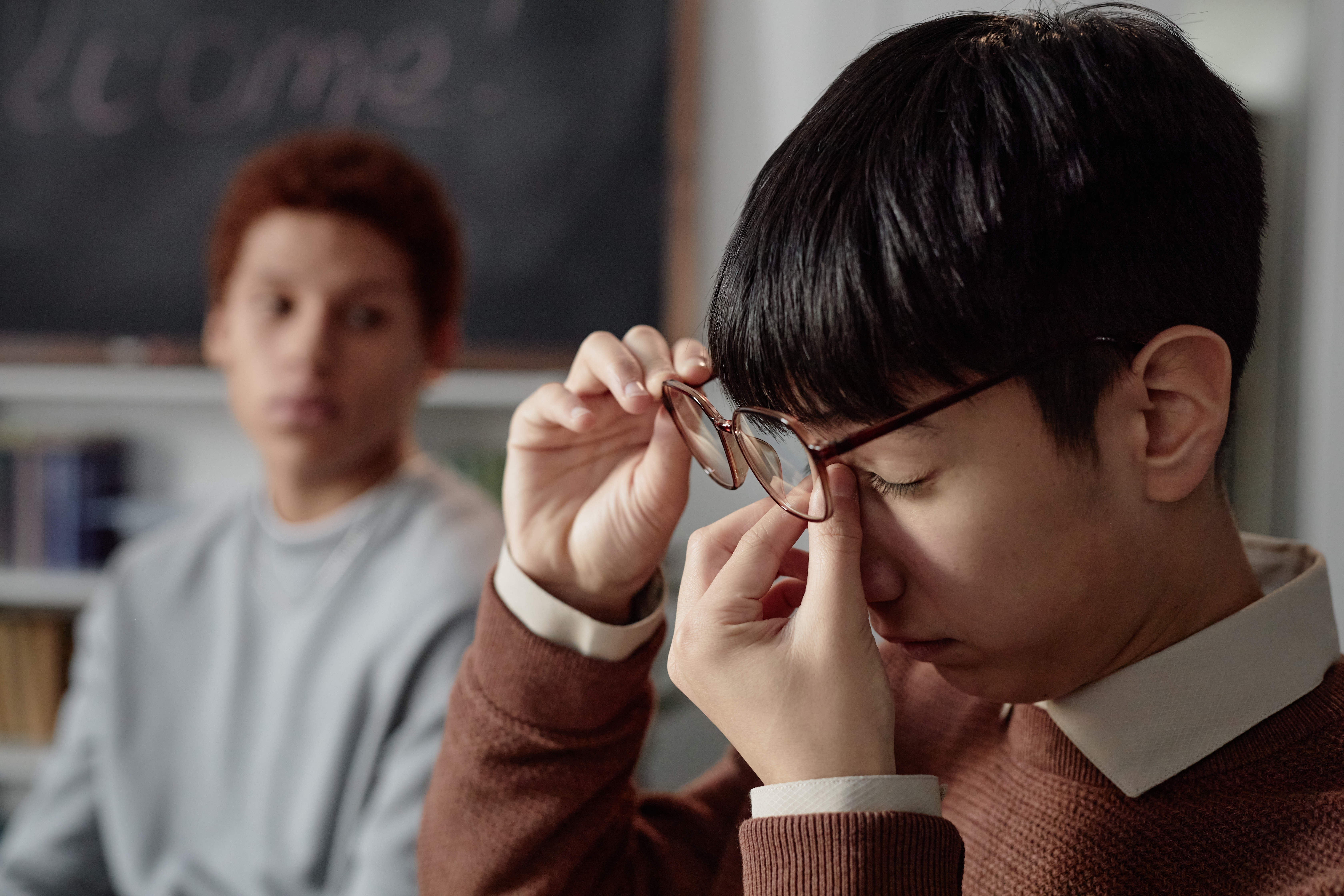
Back-to-school season brings new classrooms, longer reading assignments, more screen use, and plenty of chances for vision problems to become noticeable. If your child is squinting at the board, moving closer to the TV, or saying that distant objects look blurry, their nearsightedness may have changed.
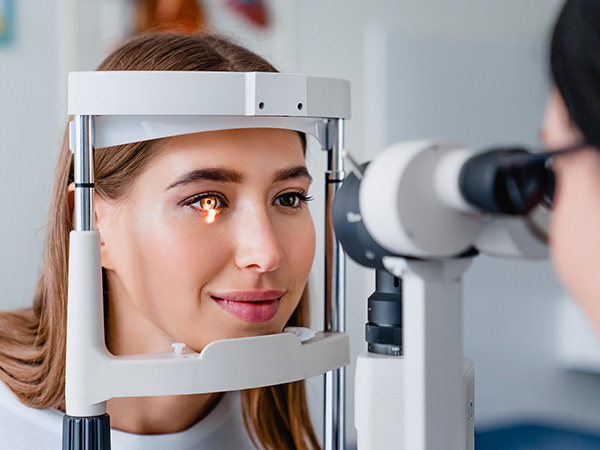
Myopia, or nearsightedness, causes distant objects to appear blurry while close-up vision is often clearer. Because myopia can progress throughout childhood and the teen years, a prescription that worked well last school year may no longer provide the same clarity. An eye exam can determine whether your child’s prescription has changed and whether myopia management should be considered.
Signs Your Child’s Myopia May Be Progressing
Children do not always realize that their vision has changed, especially when the shift happens gradually. Parents and teachers may be the first to notice changes such as:
- Squinting to see the classroom board or distant signs
- Sitting unusually close to the television
- Holding books or devices very close
- Complaining of blurry distance vision
- Having difficulty recognizing people or objects from farther away
- Needing an updated glasses or contact lens prescription more often
These signs do not automatically mean myopia is getting worse, but they are a good reason to schedule a comprehensive eye exam.
Why Myopia Management Is Different From Regular Vision Correction
Standard glasses and contact lenses can help a child see clearly, but myopia management is designed to do more than correct blurry vision. The goal is to help slow the progression of nearsightedness while your child’s eyes are still developing.
At Paramount Eye Care & Eyewear, we evaluate each child individually and recommend a treatment plan based on their prescription, eye health, lifestyle, and ability to follow the treatment safely. Regular follow-up visits also allow us to monitor changes over time and adjust the plan when needed.
Myopia Management Options We Offer
Our myopia management options include Orthokeratology, also called Ortho-K or CRT, low-dose atropine eye drops, and multifocal or dual-focus contact lenses. Ortho-K uses specially designed rigid gas-permeable lenses worn overnight to temporarily reshape the cornea, providing clear daytime vision without glasses or daytime contacts while also helping slow myopia progression.
Low-dose atropine is used in a reduced concentration as part of a myopia management plan for children. Multifocal or dual-focus contact lenses are worn during the day and are designed to provide clear vision while helping reduce the rate at which myopia progresses. The best option depends on your child’s eyes, age, prescription, daily routine, and comfort with treatment.
Start the School Year With Clearer Vision
If your child is struggling to see the board or their current prescription no longer seems strong enough, do not assume they simply need stronger glasses. A comprehensive eye exam can show whether myopia is progressing and whether a management plan could help support their long-term vision.
Give your child a clearer view of the school year ahead and schedule a myopia management evaluation with Paramount Eye Care & Eyewear in Lucas, TX by calling or texting (469) 949-2020.
Contact Info
Hours of Operation
- Monday 9:00am - 6:00pm
- Tuesday 9:00am - 6:00pm
- Wednesday Closed
- Thursday 9:00am - 6:00pm
- Friday 9:00am - 5:00pm
- *Saturday 9:00am - 3:00pm
- Sunday Closed
- *Open 2 Saturdays per month, call for availability
© 2026 Paramount Eye Care and Eyewear. All rights Reserved. Accessibility Statement - Privacy Policy - Terms and Conditions - Sitemap
Powered by: